Essential Lifestyle Considerations Before Transferring To Assisted Living
Business Name: BeeHive Homes of Bernalillo
Address: 200 Sheriff's Posse Rd, Bernalillo, NM 87004
Phone: (505) 221-6400
BeeHive Homes of Bernalillo
Beehive Homes assisted living care is ideal for those who value their independence but require help with some of the activities of daily living. Residents enjoy 24-hour support, private bedrooms with baths, medication monitoring, home-cooked meals, housekeeping and laundry services, social activities and outings, and daily physical and mental exercise opportunities. Beehive Homes memory care services accommodates the growing number of seniors affected by memory loss and dementia. Beehive Homes offers respite (short-term) care for your loved one should the need arise. Whether help is needed after a surgery or illness, for vacation coverage, or just a break from the routine, respite care provides you peace of mind for any length of stay.
200 Sheriff's Posse Rd, Bernalillo, NM 87004
Business Hours
Moving to assisted living is hardly ever a choice made on impulse. It generally shows up after a series of smaller minutes, a missed out on drug, an autumn, an oven left on, a partner that is significantly tired, or an adult kid understanding that "just checking in" is no longer sufficient. By the time households begin searching for assisted living near me or contrasting senior living areas, they are usually handling more than logistics. They are handling regret, worry, funds, grief, and the extremely functional question of what every day life will actually appear like once the relocation happens.
That is why the conversation ought to not begin and finish with layout and month-to-month charges. Lifestyle considerations matter just as high as care requirements. A great assisted living area can give safety, support, and social connection, yet the change still transforms practically every part of an individual's regimen. Meals, personal privacy, sleep, relationships, hobbies, transport, and also the sense of identity can move swiftly. The best results tend to take place when households assume past the care plan and look truthfully at the lived experience of the move.
The emotional reality of leaving a long-time home
For numerous older adults, the home they are leaving is greater than a structure. It is a container for memory. It may hold the marks of a marital relationship, guides collected over decades, the yard planted by hand, or the cooking area where family vacations constantly seemed to start. Leaving it can feel much less like downsizing and more like shutting a phase that still has incomplete business.
That emotional weight is simple to ignore. Families often concentrate on what will be less complicated after the action, like no more backyard job or say goodbye to stairways, while forgeting the despair that can come with losing familiar surroundings. I have actually seen homeowners who readjusted rapidly once they really felt secure and cleared up, and I have likewise seen individuals that took months to completely unbox due to the fact that they were mourning the idea of home as high as the house itself.
This is where pacing issues. If possible, the step ought to be treated as a shift, not a solitary event. Arranging personal belongings a little each time, going to the neighborhood prior to move-in day, and bringing pieces of the old home into the brand-new one can reduce the shock. A favored chair, mounted pictures, a familiar light, or a well-used quilt can do more than enhance a room. They secure the new space in memory and make it really feel less temporary.
Daily regular adjustments more than people expect
People usually think of assisted living as just "aid with a few points." That is true, yet just component of the tale. The structure of the day modifications in ways that can be either soothing or disruptive, relying on the person.
At home, a person might have consumed breakfast at 10 a.m. For several years, rested after lunch, and enjoyed the evening information in a specific chair. In assisted living, dishes occur on a routine, activities are used at established times, and team routines shape the rhythm of the day. For some citizens, that framework is a relief. They no longer have to intend every dish or ask yourself when aid is readily available. For others, it can really feel restrictive at first.
The important inquiry is not whether framework exists, since it constantly does in some kind. The real inquiry is whether the area's speed fits the person's individuality and practices. A very social resident may delight in a schedule filled with activities and shared dishes. Someone that has actually always preferred quiet early mornings and lengthy stretches of reading might need an area that appreciates privacy and supplies versatile engagement.
A useful method to think of this is to distinguish between support and supervision. Great assisted living preserves as much selection as possible while still supplying help where it is required. If a neighborhood's schedule seems too inflexible, that is worth seeing early. Way of life fit tends to matter more over time than a polished pamphlet or a perfectly organized apartment.
Social life can enhance, yet only if the fit is right
One of the most significant advantages of assisted living is the opportunity to reconstruct social connection. Lots of older grownups cope with a reducing circle. Friends move away, driving becomes harder, and social opportunities narrow. Isolation can creep in quietly and affect cravings, power, rest, and state of mind. A well-run senior living area can interrupt that seclusion in a healthy way.
Still, socialization is not automatic. An individual who has actually invested years in a quiet house might not instantly become outbound because there is a bingo night on the schedule. Some citizens grow in group setups, while others choose one-on-one conversation or small, acquainted gatherings. Communities differ commonly in culture. Some are vibrant and hectic. Others are calmer and extra residential in feeling. That distinction matters.
Families taking a look at assisted living needs to take notice of the tone of the common areas. Do homeowners seem involved or just offer? Are people speaking with each various other, or resting alone in silence? Are there diverse activities, or only one kind of programs duplicated each week? A resident who suches as songs, faith-based gatherings, or horticulture may flourish in a community that supplies those rate of interests. A person who chooses current events, quiet reading groups, or walking clubs may require a various environment.
Sometimes the initial social connection is not with a planned activity at all. It is with the next-door neighbor across the hall, the dining room web server who bears in mind a preferred tea, or the resident that also grew up in the same town. Those small human moments are usually what make assisted living seem like home.
Meals are not a small detail
Food influences much more than nutrition. It shapes routine, comfort, memory, and social interaction. For a person transitioning from home to assisted living, the eating experience can either seem like a welcome alleviation or a consistent resource of frustration.
Some people are delighted to let go of grocery shopping and food preparation. They appreciate having actually dishes prepared, dishes cleared, and options provided without effort. Others are really connected to their very own kitchen routines. They may miss out on cooking a straightforward morning meal, seasoning food to preference, or snacking on a favored timetable. If a resident has strong food preferences, the eating program can turn into one of the most crucial way of life factors in the whole move.
It is smart to ask straight concerns about versatility. Can dishes suit nutritional restrictions, allergic reactions, or social choices? How is texture-modified food handled? Are residents able to demand substitutions? What occurs if someone misses a dish because they go to a consultation? These information matter since they impact dignity as much as convenience.
The dining-room environment matters too. A rushed, noisy space can dissuade a person from eating well. A pleasurable, unrushed meal with great lights and mindful service can make the day really feel secured. For many older grownups, meals turn into one of the main social touchpoints in assisted living, which is why the dining society deserves very close attention, not a quick glance.

Privacy, independence, and the hard boundary between aid and intrusion
One of one of the most fragile lifestyle adjustments in assisted living is discovering just how assistance will certainly work in an extra noticeable environment. In your home, a person can shut the front door and relocate via the day with few disturbances. In assisted living, staff might go into for medicines, housekeeping, wellness checks, or personal care. That can feel calming, however it can additionally really feel invasive if the timing and communication are not taken care of well.
This is where freedom ought to be defined very carefully. Freedom does not indicate doing whatever alone. It means having enough control to make choices, maintain personal privacy, and keep a sense of agency. A resident may need help showering, clothing, or remembering medications, yet still intend to determine what time to get up, whether to go to an activity, or just how to prepare the furniture in their apartment.
Families occasionally underestimate how important small selections come to be once bigger choices are limited. Being able to choose in between tea and coffee, keep the door a little open, or determine when to relax can maintain self-respect in manner ins which are easy to miss from the outside.
Before moving, it assists to speak simply concerning limits. What type of support are supplied on request? Exactly how does the community take care of knock-and-enter techniques? Are residents encouraged to participate in their very own care routines when feasible? Those conversations can prevent misunderstandings later on, particularly for people who have always valued self-sufficiency.
The speed of the move itself can form adjustment
A rushed relocation commonly produces preventable stress. When the change is compressed as a result of a hospitalization, an abrupt decline, or a caretaker emergency situation, older grownups might get here in assisted living already disoriented and exhausted. Even a good area can really feel overwhelming if the individual has actually had no chance to refine the change.
When time permits, preparation ought to be sensible and individual. A pre-move visit is useful, but so is focusing on the much less obvious parts of life. What is the lights like in the home in late afternoon? Can the resident reach the shower room conveniently during the night? Exists space for a preferred recliner, pedestrian, or leisure activity tools? A person who bakes may miss the routine of determining components, also if they no longer require a complete cooking area. A previous woodworker may want space for devices or simple projects.
The step additionally impacts family members regimens. Grown-up youngsters frequently end up being the organizers, movers, and psychological shock absorbers. Their own stress and anxiety can splash right into the process if everyone is attempting to manage too much at the same time. In some cases, temporary respite care can produce breathing room. It provides households time to test a routine, gather belongings attentively, or manage a post-hospital recuperation prior to dedicating to an irreversible move.
That trial duration can be extremely useful. It exposes whether the community's rhythm works in method, not simply on paper. It additionally gives the older adult a chance to examine the social setting, the eating, the care reaction, and the psychological fit prior to settling in fully.
Health requirements are only part of the equation
Assisted living is developed for people that require assistance with day-to-day tasks, not extensive healthcare. That distinction issues when families are comparing choices. Some individuals relocate since they need assist with showering, dressing, meals, or drug tips. Others get here after a hospitalization and are still recuperating stamina and self-confidence. The degree of support may transform in time, yet the community still requires to match the resident's actual health and wellness profile.
This is where a careful evaluation of care requirements becomes crucial. If a person has frequent drops, considerable memory problems, oxygen requirements, or intricate medical routines, the family must ask whether assisted living is truly the right setting or whether a higher degree of assistance is needed. Not every community can securely manage every situation.
It is also worth asking just how the community reacts when a resident's requirements transform. Some people enter assisted living and gradually require more help. Others stay fairly steady for several years. The most effective preparation accounts for both opportunities. Households must know what reviews appear like, just how swiftly care strategies can be updated, and when a move to an additional degree of care could end up being necessary.
Good senior care is not just about meeting today's requirements. It has to do with preparing for tomorrow's most likely changes without making the resident seem like a situation documents. That balance takes judgment, and it is one factor a thoughtful in-person discussion matters more than advertising and marketing language.
Before selecting a community, ask the inquiries that impact daily life
A polished tour can conceal a lot. The entrance hall might be eye-catching, the dining-room spick-and-span, and the personnel welcoming. Those points issue, however they do not tell the entire tale. Way of living fit shows up in average moments, not simply in sales presentations.
When family members are contrasting assisted living communities, it aids to focus on questions that expose just how life truly works.
- What does a common day resemble for homeowners who favor a peaceful routine?
- How flexible are dishes, showering times, and activity participation?
- What supports are available for citizens who are socially scheduled or hard of hearing?
- How are family visits handled, and are there places for private time together?
- How does the area support transitions from short-term rehabilitation, hospitalization, or respite care?
These inquiries work since they relocate the conversation far from abstract promises and towards lived experience. The answers commonly reveal whether an area will certainly feel considerate and habitable over time.
Money transforms the way of living conversation too
Finances are not a different concern from way of living, they shape it. Assisted living has a monthly expense that may include housing, meals, individual care, home cleaning, transportation, and activities. But not every neighborhood bundles those services similarly. A household that only contrasts the base rate may be surprised later on by added fees for drug monitoring, additional care hours, washing, or specialized support.
That is why it is important to look beyond the headline rate. The ideal concern is not simply, "Can we afford this month?" It is, "What degree of solution is consisted of, and what might the next 6 to twelve months need?" A resident who needs more aid gradually may experience a purposeful increase in regular monthly cost.
Families typically begin by searching for senior care near me and after that find that the neighborhood market differs extensively. Some neighborhoods appear economical initially glance, however covert fees tighten the void. Others show up a lot more costly but consist of even more support in the base assisted living near me price. Budgeting with reasonable assumptions, instead of best-case assumptions, can protect against unpleasant surprises later.
It also assists to consider the expense of not moving. When a caregiver is burning out, when home modifications come to be costly, or when a fall leads to duplicated emergency visits, the monetary picture can alter rapidly. Assisted living is not always the most affordable choice, however in the best situation, it can maintain both care and family members life.
The best action is the one that maintains dignity
People in some cases discuss assisted living as though it is just around safety. Safety matters, however dignity issues equally as much. An excellent change respects the older grownup's choices, behaviors, and background. It recognizes that a resident is not just a person that needs assistance, but a person that still has viewpoints, regimens, and a sense of self.
That is why the little points are often the huge things. The capacity to hang familiar artwork. The opportunity to bring a precious covering. The option to participate in activities without being pushed into them. The freedom to have a quiet mid-day when energy is reduced. These information do disappoint up in a clinical graph, however they form whether a person seems like a resident or a guest.
Families who take time to think through lifestyle concerns typically make far better decisions. They notice whether the community respects personal privacy, whether meals really feel inviting, whether the social setting suits the resident's temperament, and whether the care model can adjust over time. Those observations are much more trustworthy than any glossy brochure.
Assisted living can be a real enhancement in quality of life when the step is handled with honesty and care. For several older adults, it brings alleviation, companionship, and a much safer everyday rhythm. For family members, it can replace continuous dilemma management with something steadier and extra sustainable. The change functions best when it is intended around the individual's real life, not just the level of assistance they need.
BeeHive Homes of Bernalillo provides assisted living care
BeeHive Homes of Bernalillo provides memory care services
BeeHive Homes of Bernalillo provides respite care services
BeeHive Homes of Bernalillo supports assistance with bathing and grooming
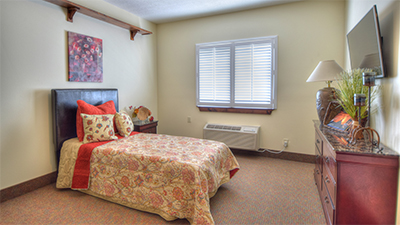
BeeHive Homes of Bernalillo offers private bedrooms with private bathrooms
BeeHive Homes of Bernalillo provides medication monitoring and documentation
BeeHive Homes of Bernalillo serves dietitian-approved meals
BeeHive Homes of Bernalillo provides housekeeping services
BeeHive Homes of Bernalillo provides laundry services
BeeHive Homes of Bernalillo offers community dining and social engagement activities
BeeHive Homes of Bernalillo features life enrichment activities
BeeHive Homes of Bernalillo supports personal care assistance during meals and daily routines
BeeHive Homes of Bernalillo promotes frequent physical and mental exercise opportunities
BeeHive Homes of Bernalillo provides a home-like residential environment
BeeHive Homes of Bernalillo creates customized care plans as residents’ needs change
BeeHive Homes of Bernalillo assesses individual resident care needs
BeeHive Homes of Bernalillo accepts private pay and long-term care insurance
BeeHive Homes of Bernalillo assists qualified veterans with Aid and Attendance benefits
BeeHive Homes of Bernalillo encourages meaningful resident-to-staff relationships
BeeHive Homes of Bernalillo delivers compassionate, attentive senior care focused on dignity and comfort
BeeHive Homes of Bernalillo has a phone number of (505) 221-6400
BeeHive Homes of Bernalillo has an address of 200 Sheriff's Posse Rd, Bernalillo, NM 87004
BeeHive Homes of Bernalillo has a website https://beehivehomes.com/locations/bernalillo/
BeeHive Homes of Bernalillo has Google Maps listing https://maps.app.goo.gl/QSaz3dwMGDj1Ev9a8
BeeHive Homes of Bernalillo has Instagram page https://www.instagram.com/beehivehomesbernalillo/
BeeHive Homes of Bernalillo has an YouTube page https://www.youtube.com/@WelcomeHomeBeeHiveHomes
BeeHive Homes of Bernalillo won Top Assisted Living Homes 2025
BeeHive Homes of Bernalillo earned Best Customer Service Award 2024
BeeHive Homes of Bernalillo placed 1st for Senior Living Communities 2025
People Also Ask about BeeHive Homes of Bernalillo
What is BeeHive Homes of Bernalillo Living monthly room rate?
The rate depends on the level of care that is needed. We do a pre-admission evaluation for each resident to determine the level of care needed. The monthly rate is based on this evaluation. There are no hidden costs or fees
Can residents stay in BeeHive Homes until the end of their life?
Usually yes. There are exceptions, such as when there are safety issues with the resident, or they need 24 hour skilled nursing services
Do we have a nurse on staff?
No, but each BeeHive Home has a consulting Nurse available 24 – 7. if nursing services are needed, a doctor can order home health to come into the home
What are BeeHive Homes’ visiting hours?
Visiting hours are adjusted to accommodate the families and the resident’s needs… just not too early or too late
Do we have couple’s rooms available?
Yes, each home has rooms designed to accommodate couples. Please ask about the availability of these rooms
Where is BeeHive Homes of Bernalillo located?
BeeHive Homes of Bernalillo is conveniently located at 200 Sheriff's Posse Rd, Bernalillo, NM 87004. You can easily find directions on Google Maps or call at (505) 221-6400 Monday through Sunday 9:00am to 5:00pm
How can I contact BeeHive Homes of Bernalillo?
You can contact BeeHive Homes of Bernalillo by phone at: (505) 221-6400, visit their website at https://beehivehomes.com/locations/bernalillo/ or connect on social media via Instagram Facebook or YouTube
You might take a short drive to the Range Café Bernalillo. Range Café Bernalillo provides a relaxed dining atmosphere where residents in assisted living, memory care, senior care, elderly care, and respite care can enjoy regional cuisine with family.